The best time of year to get married in Victoria
Spring, summer, autumn or winter: what each season is like for a wedding in Victoria, region by region, with daylight, demand and the venues that suit each one.
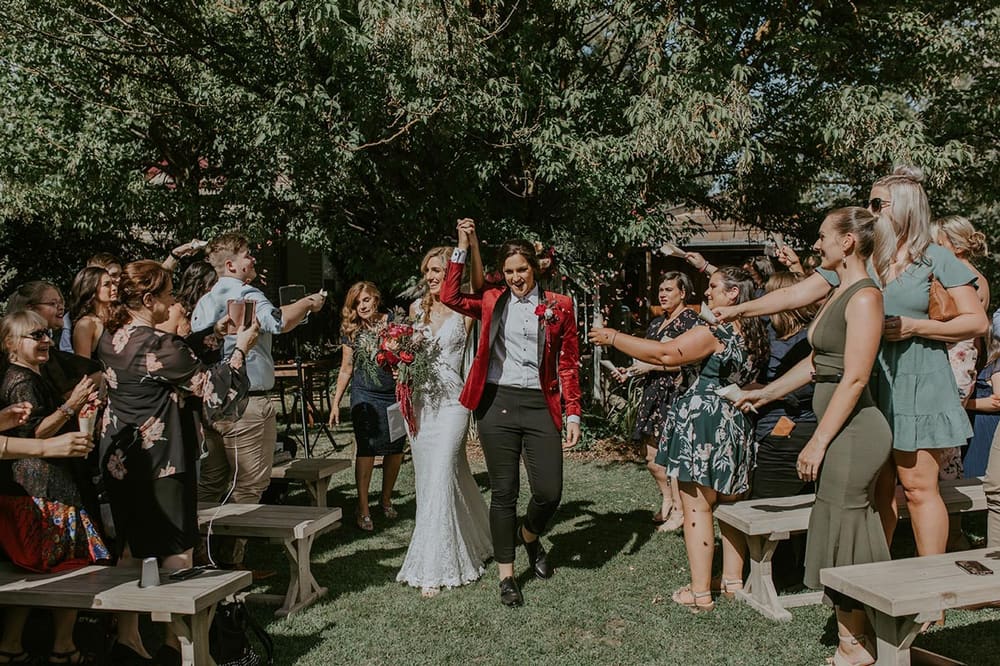
There is no wrong season to marry in Victoria, but each one changes the day: the light, the weather plan, how far ahead you need to book and, often, the price. This guide walks through the year, then how it differs across the state, from the coast to the mountains to the Murray.
Spring: September to November
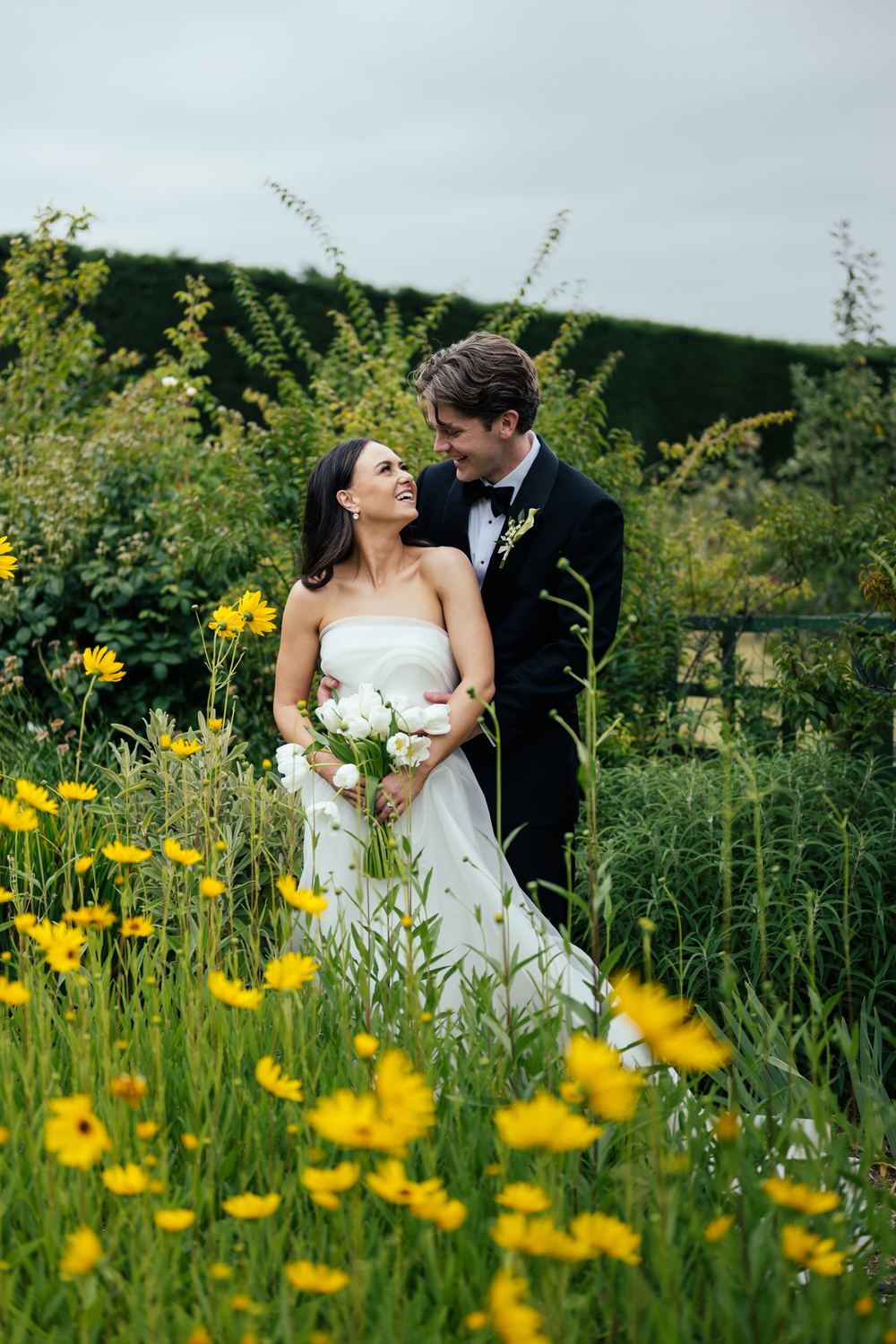
Gardens are at their best, days are mild and the evenings are getting longer. Spring is one of the two busiest seasons for weddings, so popular Saturdays book out well ahead. The catch is the weather: Melbourne's spring is famously changeable, with warm days, cold snaps and showers sometimes in the same week. A good wet weather plan matters as much as the garden. With 201 garden venues listed, spring is when they shine; seeplanning a garden wedding.
Summer: December to February
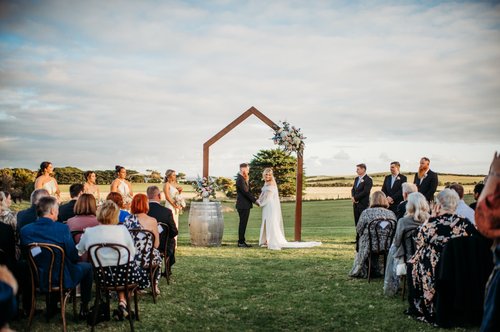
Long, warm evenings make summer ideal for outdoor ceremonies and late sunset photos. It is also holiday season, so coastal towns fill up and roads are busy, and some days are very hot. Ask every venue about shade, cooling and a later ceremony time. Summer suits the coast best: there are 35 beach and coastal venues on Where I Do, from the Mornington Peninsula to the Great Ocean Road. Book accommodation early, especially around school holidays.
Autumn: March to May
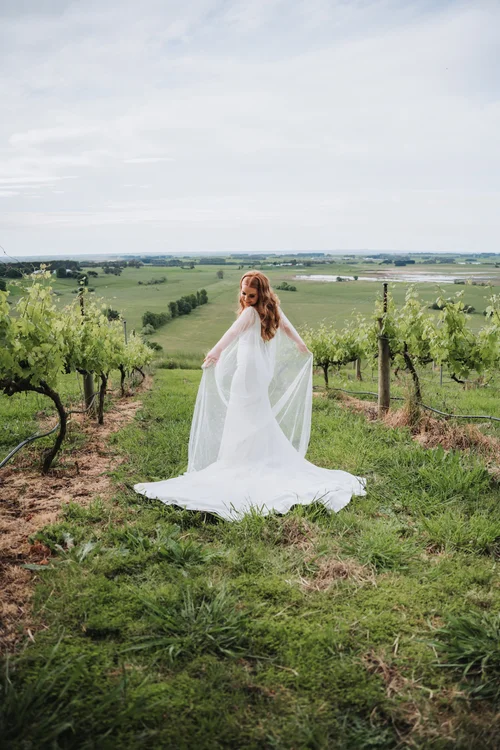
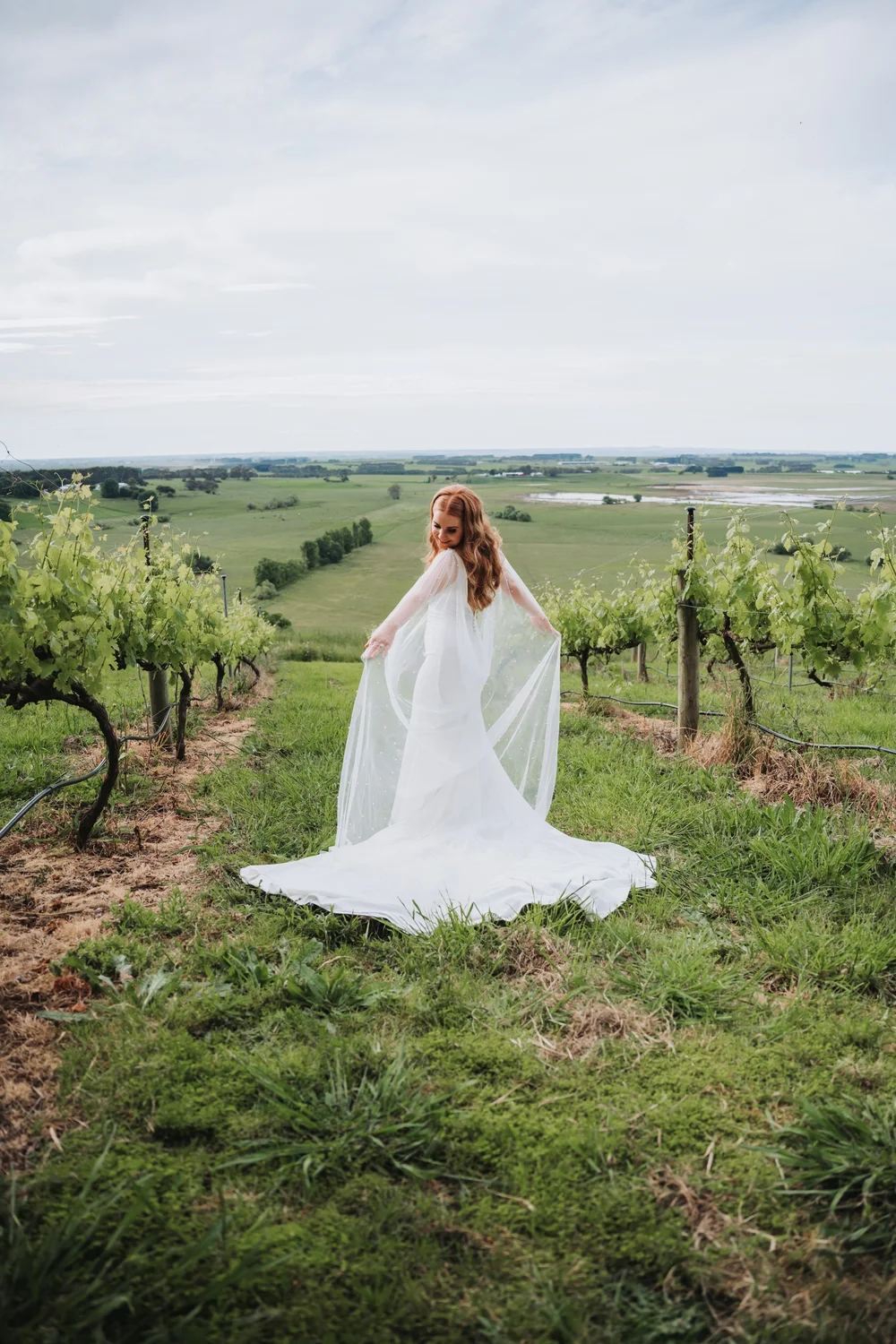
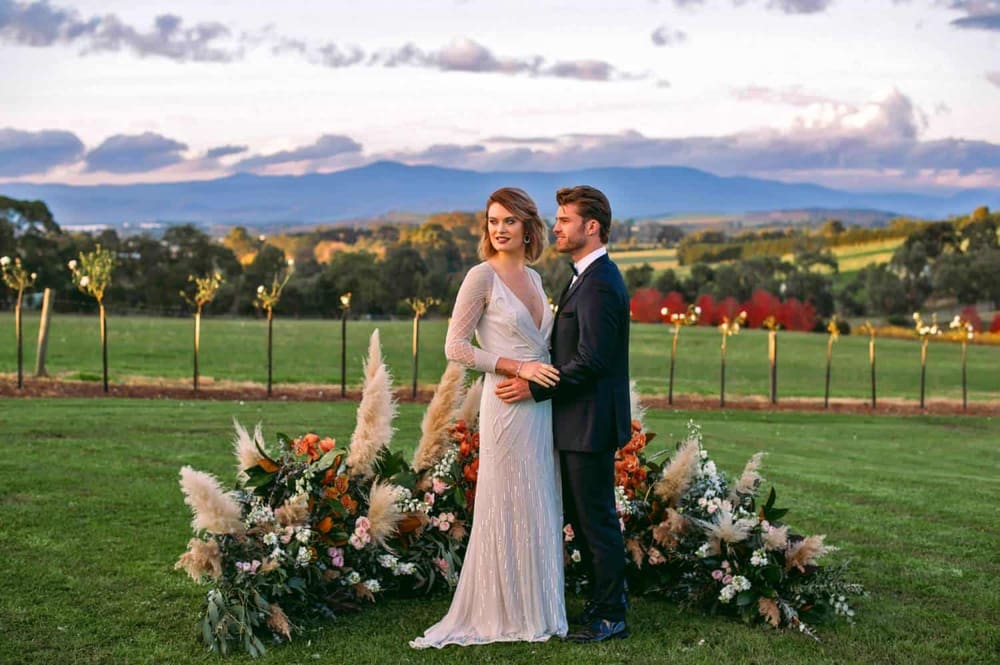
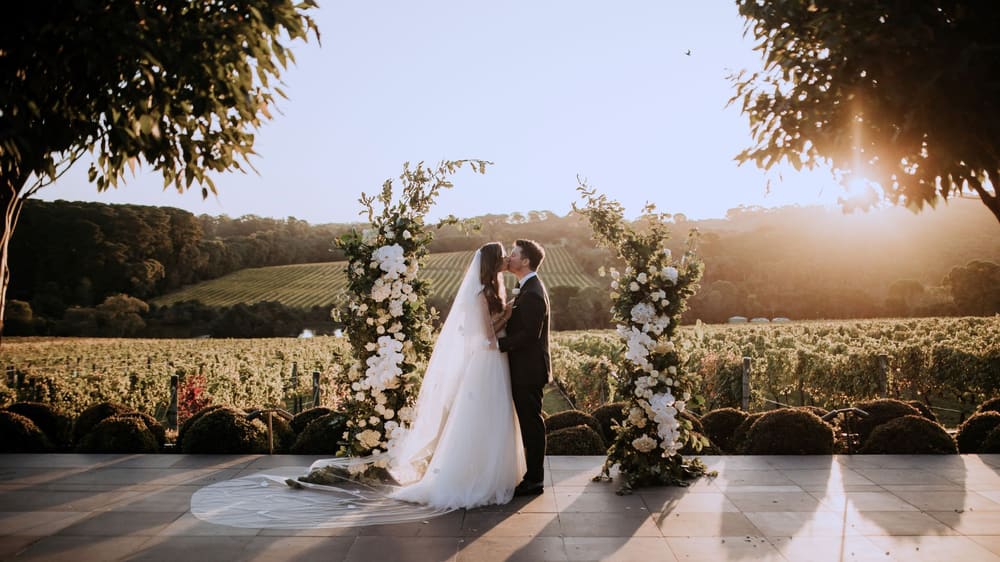
For many couples this is the sweet spot: settled weather, mild days, and gold and red leaves in the vineyards and gardens. Autumn is the peak season in wine regions such as the Yarra Valley, the Macedon Ranges and Rutherglen, and the most sought-after dates go first. If your heart is set on an April Saturday at a winery, start looking early. Seewinery weddings by region.
Winter: June to August
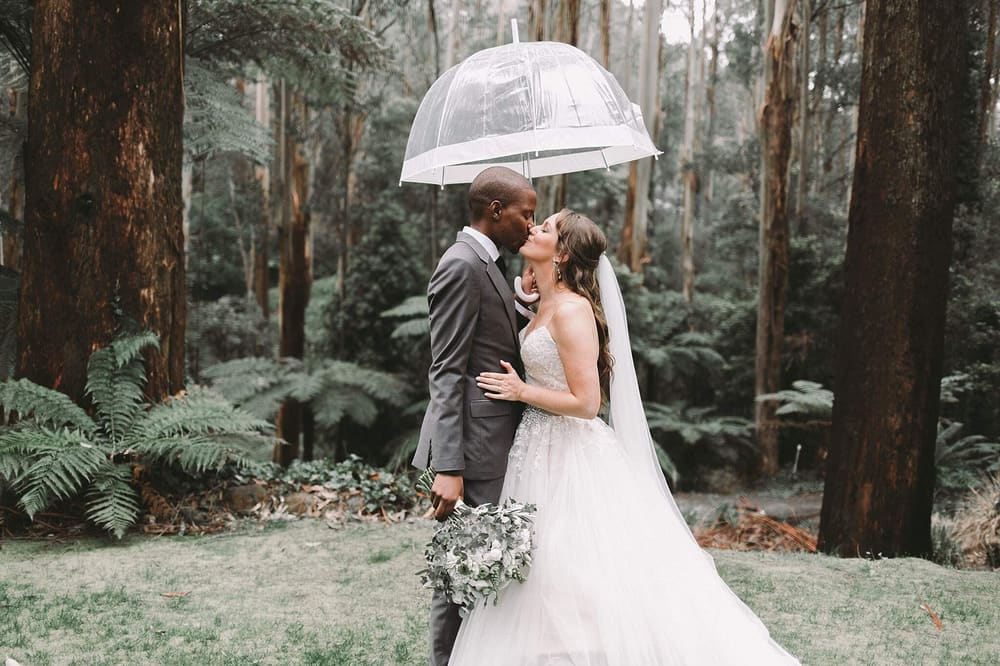
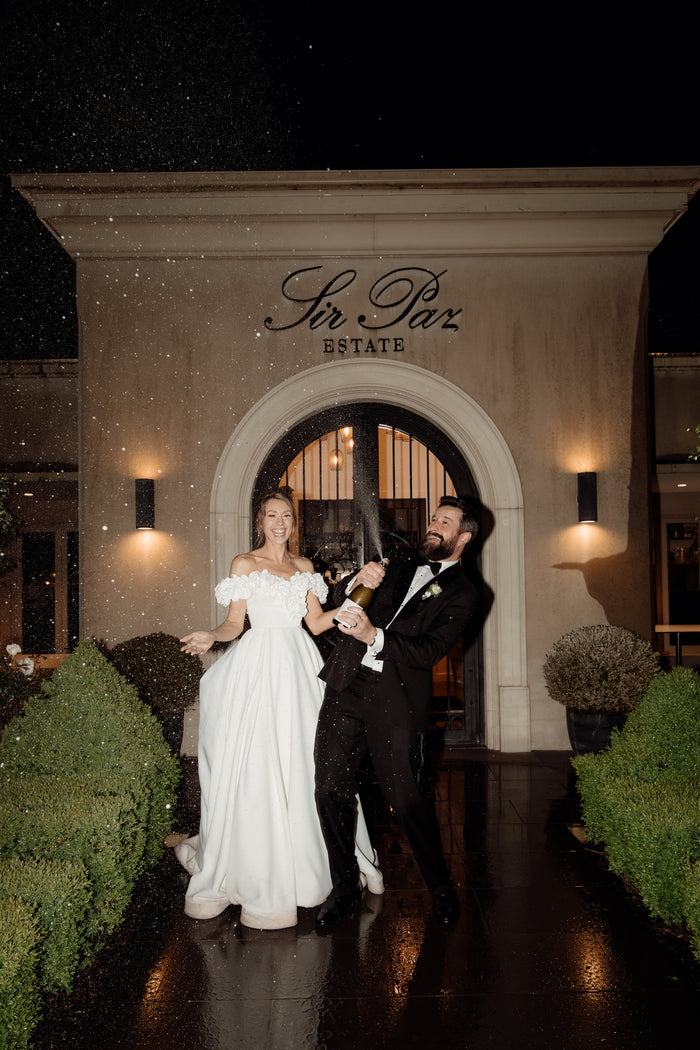
Winter is the quiet season, and that is its advantage: more dates are free, and many venues offer better value in the cooler months. It suits cosy celebrations with fireplaces, long dinners and candlelight. City and indoor venues work well, and there are 247 hotels, restaurants, halls, rooftops and warehouses listed. In the country, ask about heating, and plan for early sunsets and cold evenings. For a room with a fire, seewinter wedding venues with a fireplace.
Daylight for photos
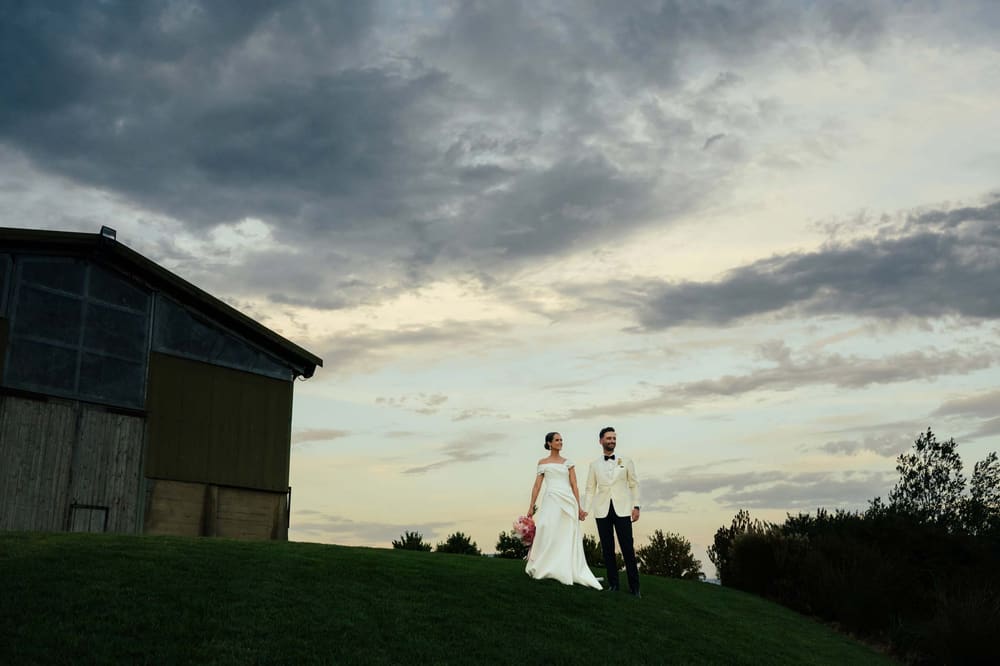
In Melbourne the sun sets after 8.30pm around midsummer and before 5.30pm in midwinter. Plan the ceremony so there is good light afterwards for photos, and ask your photographer about golden hour on your date. Further west, such as in the Grampians, sunset comes a little later than in Melbourne; further east, in Gippsland, a little earlier.
How it differs across Victoria
- The coast is mild but windy year-round. Ask about a sheltered ceremony spot in every season.
- The hills and ranges, such as the Dandenongs and the Macedon Ranges, are noticeably cooler than Melbourne, with fog and frost in winter.
- The High Country has crisp autumns and snow in winter at altitude; summer suits mountain weddings best.
- The north, along the Murray at Mildura, Echuca and Rutherglen, has hot summers and mild, sunny winters, so many couples marry from autumn to spring.
Each region guide has a note on the best season for that area, for examplethe Yarra Valley orMildura.
Weekdays and off-peak dates
Saturdays in spring and autumn are the most in demand. Fridays, Sundays, weekdays and winter dates are usually easier to secure and are often priced lower. When you enquire, ask whether a venue has different rates by day or season. For timing your booking, see when to book a wedding venue.
Making a weekend of it in any season? 139 venues offer accommodation on site; seewedding venues with accommodation.
Try it for your wedding